The ParkSection 3
What the American Tobacco Campus Used to Make
Durham built its fortune on bright-leaf tobacco, and the physical evidence sits on Blackwell Street, half a block south of the Durham Bulls Athletic Park.
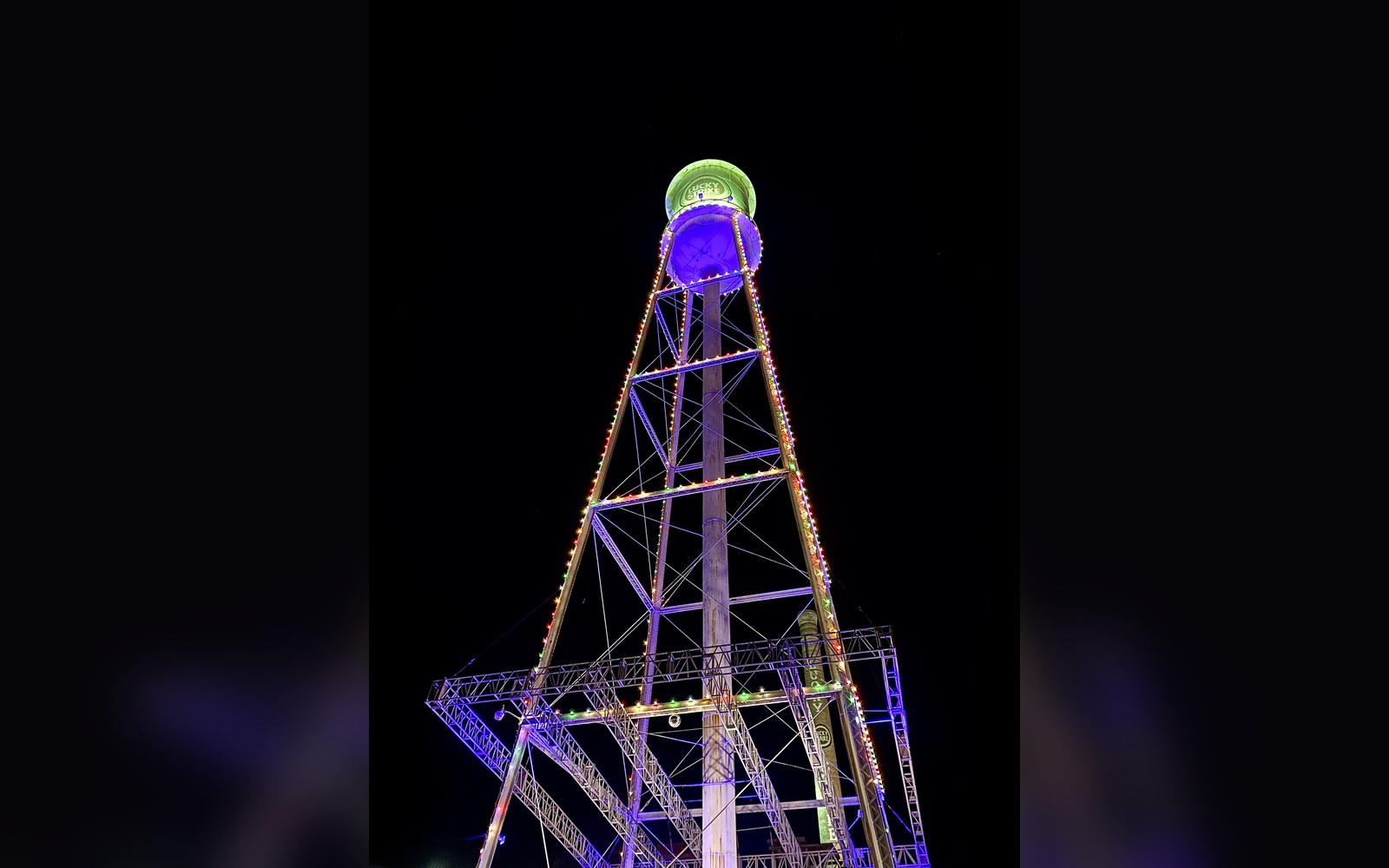
From Cigarettes to Campus
The American Tobacco Campus — sixteen acres of Victorian brick, steel water towers, and repointed warehouse facades — was the production center for American Tobacco Company beginning in the 1890s, rolling Lucky Strike cigarettes by the billions and employing thousands of Durham workers through most of the twentieth century.
The Lucky Strike brand had originated with a Richmond tobacco maker and was acquired by James Buchanan Duke, whose consolidation of the tobacco trade into the American Tobacco Company trust reshaped not just Durham but the economics of the entire South. By the time the factory closed in 1987, it left behind roughly one million square feet of industrial building — vacant, asbestos-laden, and stalled in a downtown that had lost much of its commercial reason to exist.
The Conversion
The developer Capitol Broadcasting Company acquired the site in the late 1990s and hired a team of architects and design consultants to plan the adaptive reuse of the complex — a conversion that retained the brick shells, the overhead catwalks, and the distinctive Lucky Strike water tower while rebuilding the interiors for office, retail, and civic use. The project unfolded in phases through the early 2000s, with major occupancy beginning around 2004. The approach was deliberate: keep the industrial bones legible, add a narrow stream channel running through the courtyard, and let the scale of the original manufacturing complex set the terms.
What that scale meant in practice: twenty-plus buildings, many of them interconnected, with floor plates large enough to house a full media operation or a university satellite campus. The design team preserved exposed timber framing in the upper floors, kept loading-dock bays as entry points, and ran the water feature — pulled from Durham's water supply — down the central promenade as both amenity and gesture toward the site's original industrial cooling systems.
What It Holds Now
The tenant list at American Tobacco Campus is a cross-section of the Triangle's post-manufacturing economy. WRAL, the Capitol Broadcasting-owned television station, operates from the campus, as does the Durham Bulls front office — the Durham Bulls Athletic Park is directly adjacent, and the two properties function as a contiguous entertainment district on the southwestern edge of downtown. IBM has held office space here, and a succession of technology firms, creative agencies, and food-and-beverage operators have taken the retail and ground-floor positions.
The food presence is real and deliberate: multiple restaurants and bars occupy the courtyard-facing storefronts, giving the campus an evening draw that the original factory never had. Performing arts space, a hotel, and Durham's own transit infrastructure connect it northward into the city center.
Duke University, whose main campus sits a couple of miles to the west, has used satellite space in the district — the university's economic and civic gravity is visible throughout this part of Durham, even when the signage is someone else's name. The complex also hosts events, outdoor concerts, and film screenings in its courtyard, programming that treats the open-air promenade as a civic room.
What the American Tobacco Campus demonstrates — and what makes it matter beyond its tenant list — is the speed at which post-industrial adaptive reuse can redefine a neighborhood's identity. The Brightleaf district a few blocks north did similar work on a smaller scale; the Durham Food Hall extended the logic further. But the American Tobacco Campus is the largest single act of that transformation in the city, and it anchors a redevelopment corridor that has shifted Durham's self-image from tobacco town to something more complicated, more prosperous, and still visibly built from the same brick.