The UniversitySection 4
The Cornerstone Was Laid in 1793
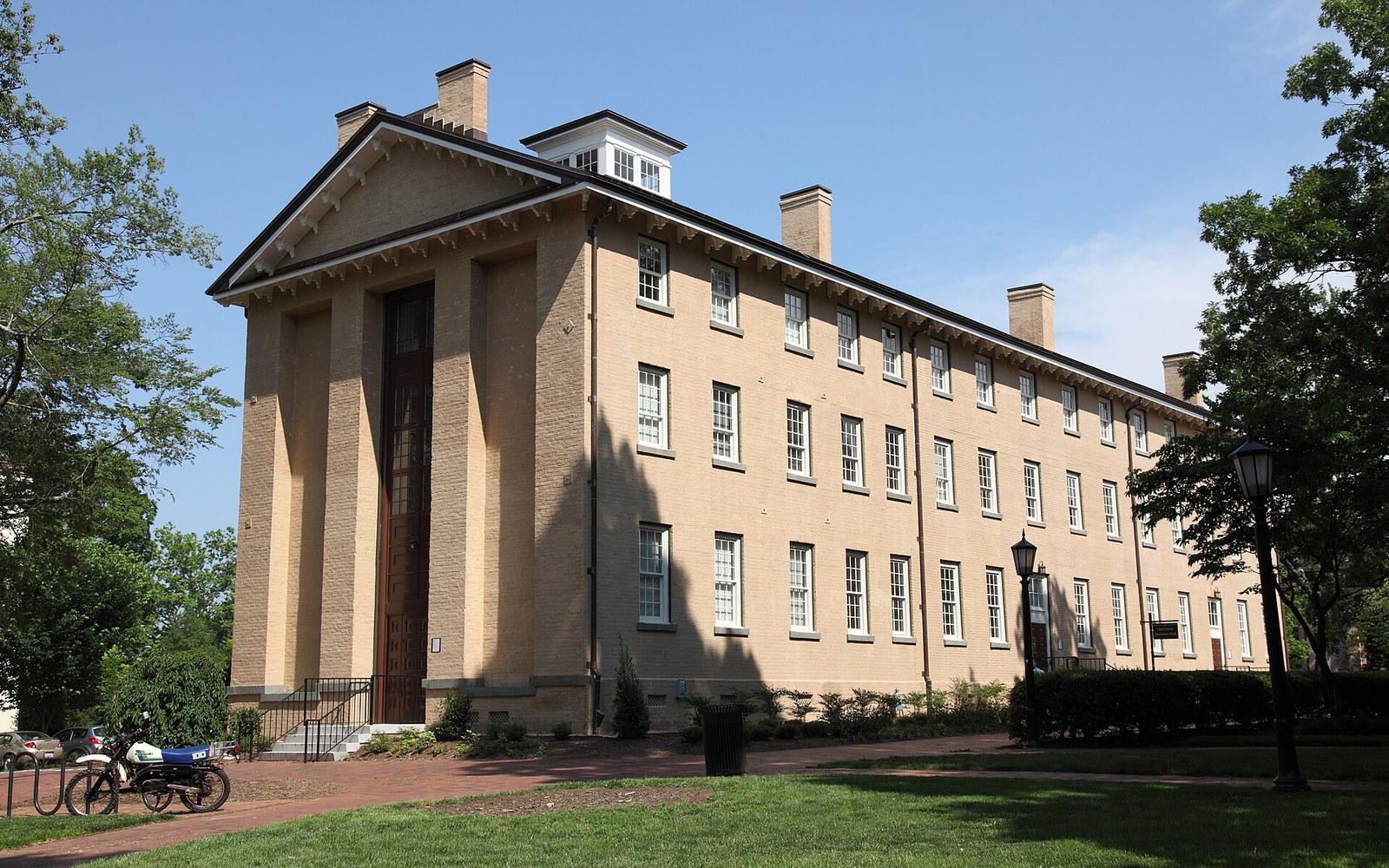
On October 12, 1793, a cornerstone was set at Chapel Hill for Old East, the oldest state university building still standing in the United States.
The First Public University to Graduate a Class
The structure preceded students — the University of North Carolina had been chartered by the North Carolina General Assembly on December 11, 1789, making it one of the first public universities chartered in the new republic, though the distinction that matters more precisely is what came after: UNC was the first public university to actually graduate a class, doing so in 1798.
The 1789 charter emerged from a clause written into North Carolina's 1776 state constitution, which directed the General Assembly to establish a university. Seventeen years passed between that mandate and the cornerstone, filled with land grants, trustee appointments, and the slow accumulation of funds from confiscated Loyalist property. The site chosen was a village that did not yet exist — Chapel Hill, named for the New Hope Chapel that had stood on the hill before the university arrived.

Old East remains on the eastern edge of McCorkle Place, the original quadrangle that still anchors the campus. It was built of locally fired brick and expanded in subsequent decades, but its legal identity as the first building is unbroken. Students lived and studied there from 1795 onward. The campus that accreted around it over the following two centuries now covers more than seven hundred acres and includes UNC Health, the Kenan-Flagler Business School, the Ackland Art Museum, and the Morehead Planetarium — institutions that grew from a charter conceived when North Carolina had fewer than four hundred thousand inhabitants.
The founding date sits at the center of an ongoing historiographical argument about what "first" means: chartered first, opened first, or graduated a class first. Georgia chartered its university in 1785; UNC was chartered in 1789 but opened its doors and conferred degrees before Georgia did. The standard resolution, supported by the university's own institutional record, is that UNC holds the claim of first to graduate a class — a functional measure rather than a paper one.
The cornerstone at Old East is not a monument to an idea. It is a dated legal and physical record of a decision the state made about what kind of institution it wanted to build, and then built.