Out of TownSection 5
The Road That Follows the Ridge
The Blue Ridge Parkway runs 469 miles along the spine of the Appalachian Mountains, connecting Shenandoah National Park in Virginia to Great Smoky Mountains National Park on the North Carolina–Tennessee border.
A Depression-era spine, still federally managed
It is the longest linear park in the national park system, administered by the National Park Service, and it was never designed to move freight or commuters. Its purpose, from the first survey, was scenic.
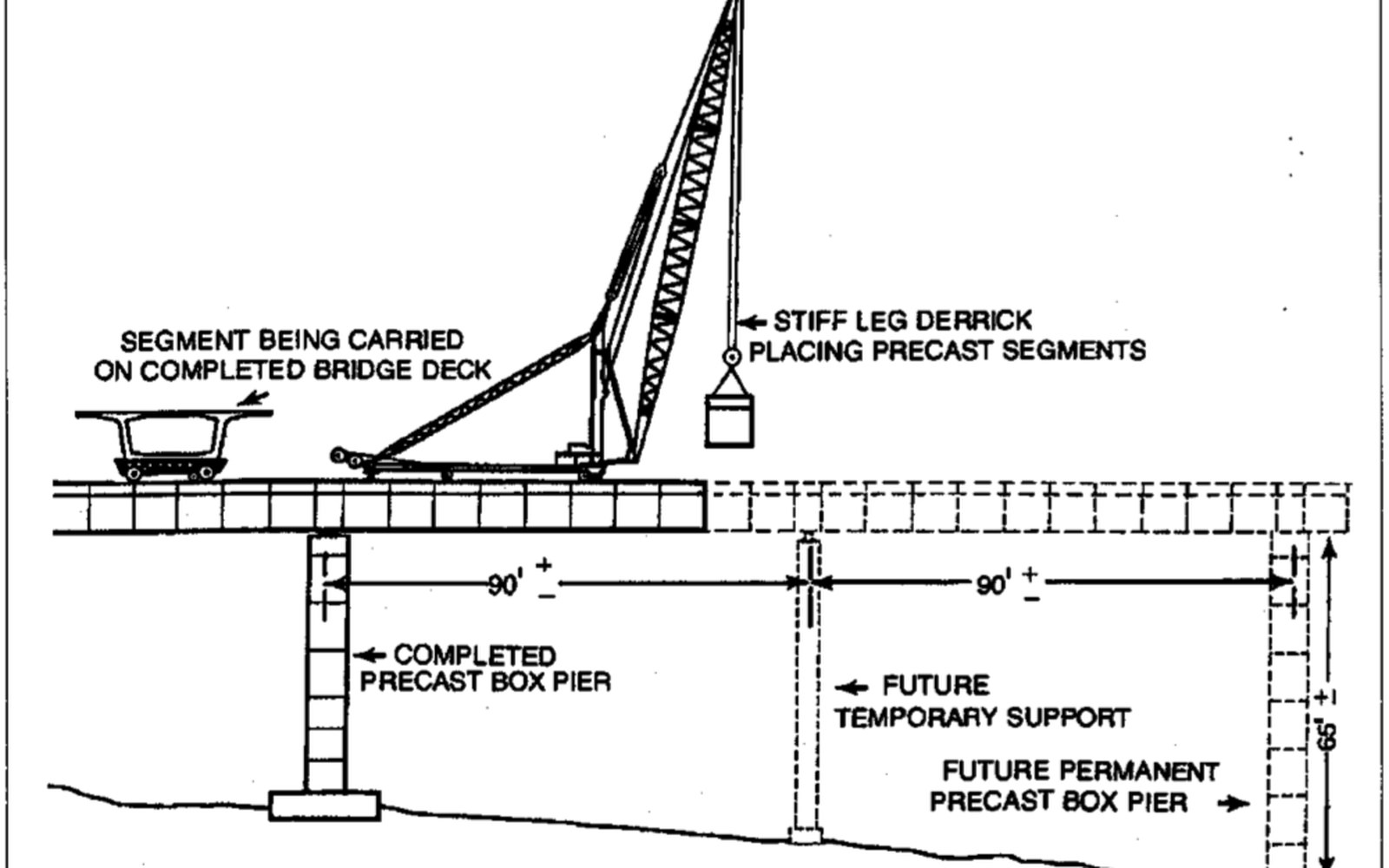
Construction began in 1935, a product of New Deal public works policy and a political dispute between North Carolina and Tennessee over which state would host the connecting road between two federal parks. The work continued for decades, employing Civilian Conservation Corps crews alongside private contractors, and the final segment — the Linn Cove Viaduct, a prestressed concrete structure that curves around the flank of Grandfather Mountain in Avery County — was not completed until 1987. The parkway took fifty-two years to finish.


The North Carolina portion runs roughly 252 miles, descending through the high country of the northern mountains before reaching the Asheville area near its southern terminus. Asheville sits just off the parkway's lower end, and the city's growth since the 1990s as a tourism and food destination has brought steady traffic to the adjacent road. The parkway itself remains federal land, buffered by a right-of-way the Park Service controls on either side, which has produced recurring jurisdictional friction with the counties and municipalities the route passes through. Local governments cannot zone parkway-adjacent land as they would ordinary rural acreage; the federal corridor interrupts the grid.
The road is maintained at a posted speed limit of 45 miles per hour. There are no traffic signals, no commercial vehicles, no billboards — prohibitions written into the original parkway agreements — and the design prioritizes the ridgeline view over direct routing. Tunnels cut through rather than around the higher peaks. The Linn Cove Viaduct, which solved the engineering problem of building on Grandfather Mountain without blasting the summit, became a recognized work of civil engineering in its own right.
The parkway is free to drive, permanently so by statute, and it closes seasonally on its higher sections when ice and snow make the grades impassable.