Out of TownSection 5
Mixed in Salisbury Since 1917, Opened in Winston-Salem in 1937
Two products from the Piedmont that left North Carolina without ever really leaving it.
The Bottles and the Boxes
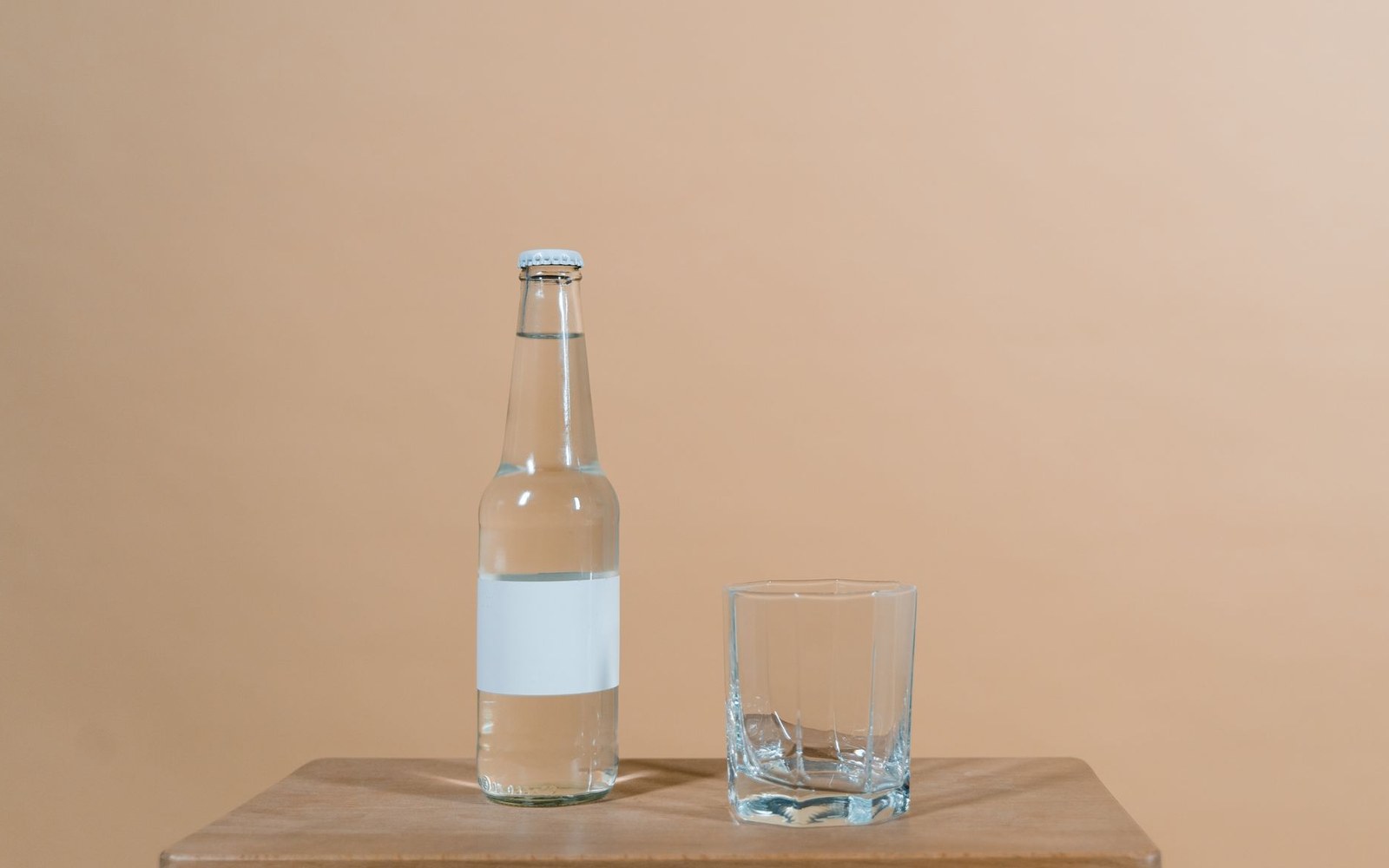
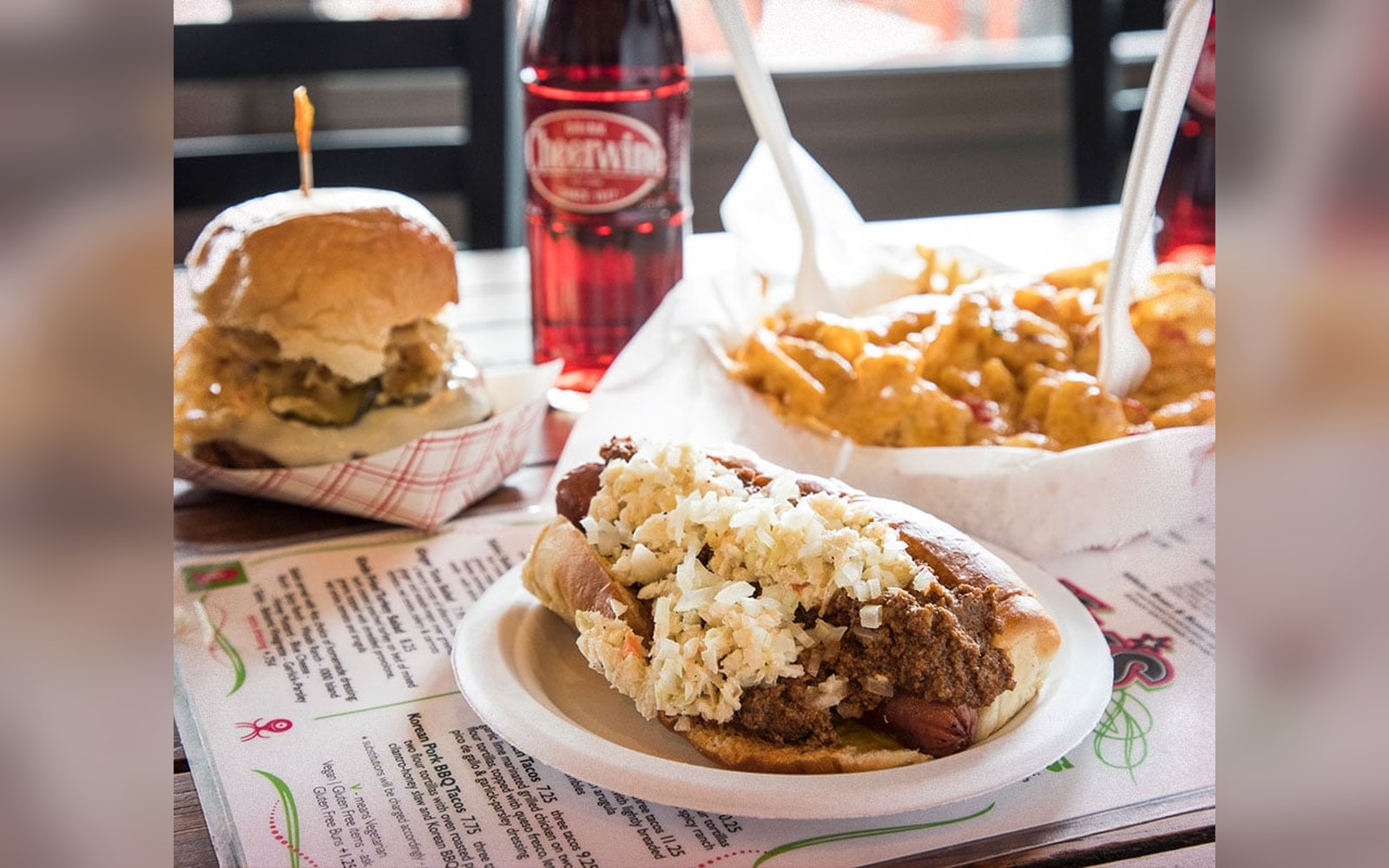
Cheerwine has been made in Salisbury, North Carolina, since 1917, when L.D. Peeler founded the Carolina Beverage Corporation during a wartime sugar shortage. Working with a surplus of cherry flavoring and a local supply of carbonated water, Peeler produced a dark burgundy soft drink with a flavor profile unlike any other regional cola — lighter than cherry Coke, faintly medicinal in the best sense, with a carbonation so fine it behaves almost like a sparkling wine. The name nods at that wine-dark color. The color does not come from wine and never has.
The company remains privately held and family-controlled, still headquartered in Salisbury more than a century later, though distribution has expanded steadily through the Southeast and, patchily, into national grocery chains. For decades Cheerwine was a regional secret in the way that implies loyalty rather than obscurity — North Carolinians returning from college or from moves out of state carried it back in their luggage. The glass bottle, still available in some markets, intensifies that attachment. Cheerwine has licensed its flavor into barbecue sauces, cocktail mixers, and limited-edition foods, but the original 12-ounce can remains the form that matters.
Krispy Kreme's origin sits about forty miles north of Salisbury. Vernon Rudolph opened the first retail location in Winston-Salem in 1937, after acquiring a yeast-raised doughnut recipe from a New Orleans chef named Joe LeBeau and driving north to find a market. He chose Winston-Salem because his uncle operated a grocery business there. When passersby on the street outside his rented space began asking to buy doughnuts directly, Rudolph cut a hole in the wall and sold to them. That improvised window became the template for every Krispy Kreme experience that followed: the glazed doughnut, still warm, handed through glass.
The company expanded regionally for decades before a rapid national rollout in the late 1990s and early 2000s took it to nearly every major American market. That expansion ended in a well-documented overextension and a damaging accounting scandal and restructuring in 2004. Krispy Kreme has since restructured and now operates or franchises locations across dozens of countries, with the Winston-Salem flagship on South Stratford Road still in operation.
Neither product depends on the Triangle for its identity, but both circulate inside it constantly — Cheerwine in coolers at barbecue counters from Hillsborough to Durham, Krispy Kreme boxes at every department meeting that has ever happened at a Research Triangle Park campus. Their Piedmont origins are simply a fact that North Carolinians know and do not bother to explain.