Franklin StreetSection 1
When the Town Set a Crowd Limit
Franklin Street's Halloween drew eighty thousand people at its peak. Chapel Hill eventually decided that was too many.
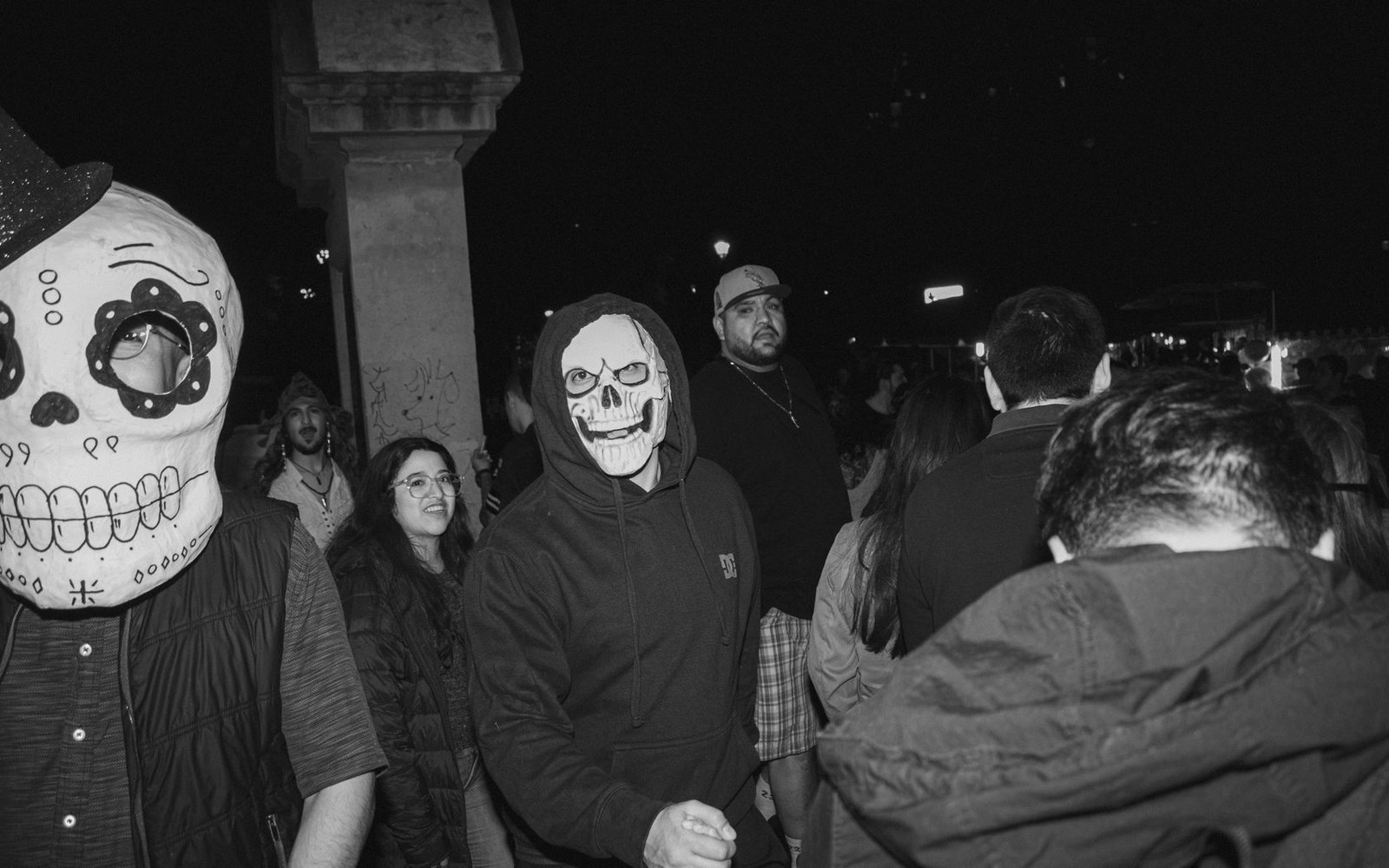
A Night That Outgrew the Street
Halloween on Franklin Street evolved from a campus-adjacent costume tradition into one of the largest street parties on the East Coast by the early 2000s. Estimates from peak years placed the crowd at eighty thousand or more — a figure that strained Chapel Hill's infrastructure, its police budget, and the patience of the town's permanent residents.
The event was never formally organized. No single body created it, and no ticketing or registration governed it. Students, graduates, and visitors from across the region simply arrived, concentrated on the stretch between Columbia Street and the edge of campus, and made the street impassable by midnight. The proximity of UNC Chapel Hill's Halloween weekend to the end of October meant the tradition fell squarely within the academic calendar, drawing the university community into a recurring conversation with town officials about liability, safety, and cost.
After a series of incidents — crowd injuries, property damage, and escalating law-enforcement expenditures — Chapel Hill began imposing formal crowd-management measures in the mid-2000s. A wristband system introduced around 2006 required attendees to register in advance, capping entry and transforming what had been an open street into a controlled perimeter. The change significantly reduced attendance. By the time the wristband program ended, the crowd had dropped into the low thousands, and the outsized spectacle of the peak years did not return.
The arc is characteristic of how the street absorbs and eventually moderates intensity. Franklin Street's commercial blocks have always turned over quickly, shaped by the rhythms of the university's enrollment cycle and the needs of a population that replaces itself every four years. Halloween was simply that rhythm made visible all at once — tens of thousands of people concentrated on eight blocks for a single night — until the town decided it had documentation enough to act.