Franklin StreetSection 1
Mama Dip's Closed in 2021
Fifty years of country cooking on Airport Road ended quietly, and Franklin Street lost something it could not replace.
From a Church Kitchen to a Table of Her Own
Mildred Council learned to cook by necessity. Born in 1929 in Chatham County, she was one of seven children raised on a farm where, as she later described it, you cooked from whatever the land and season offered — dipping into the flour barrel with both hands, improvising. The nickname that became her restaurant's name came from that same childhood, a reference to her long arms and their reach into pots and barrels. By the time she opened her own restaurant in 1976, she had spent years cooking in church kitchens and institutional settings, feeding large numbers of people on small margins. The knowledge was fully formed before the sign went up.
She opened on West Rosemary Street, not Franklin Street proper, but close enough to the UNC Chapel Hill campus that it became part of the university's social geography almost immediately. The building was unpretentious — a low-slung dining room where the tables turned fast and the portions did not. The menu was built from scratch biscuits, fried chicken, collard greens, sweet potatoes, pork chops, and cornbread, the kind of cooking that the term "country cooking" names accurately but inadequately. These were dishes that required time and attention and an inherited fluency with seasoning. Chapel Hill, then as now a town that trafficked heavily in novelty, turned out to want exactly this.
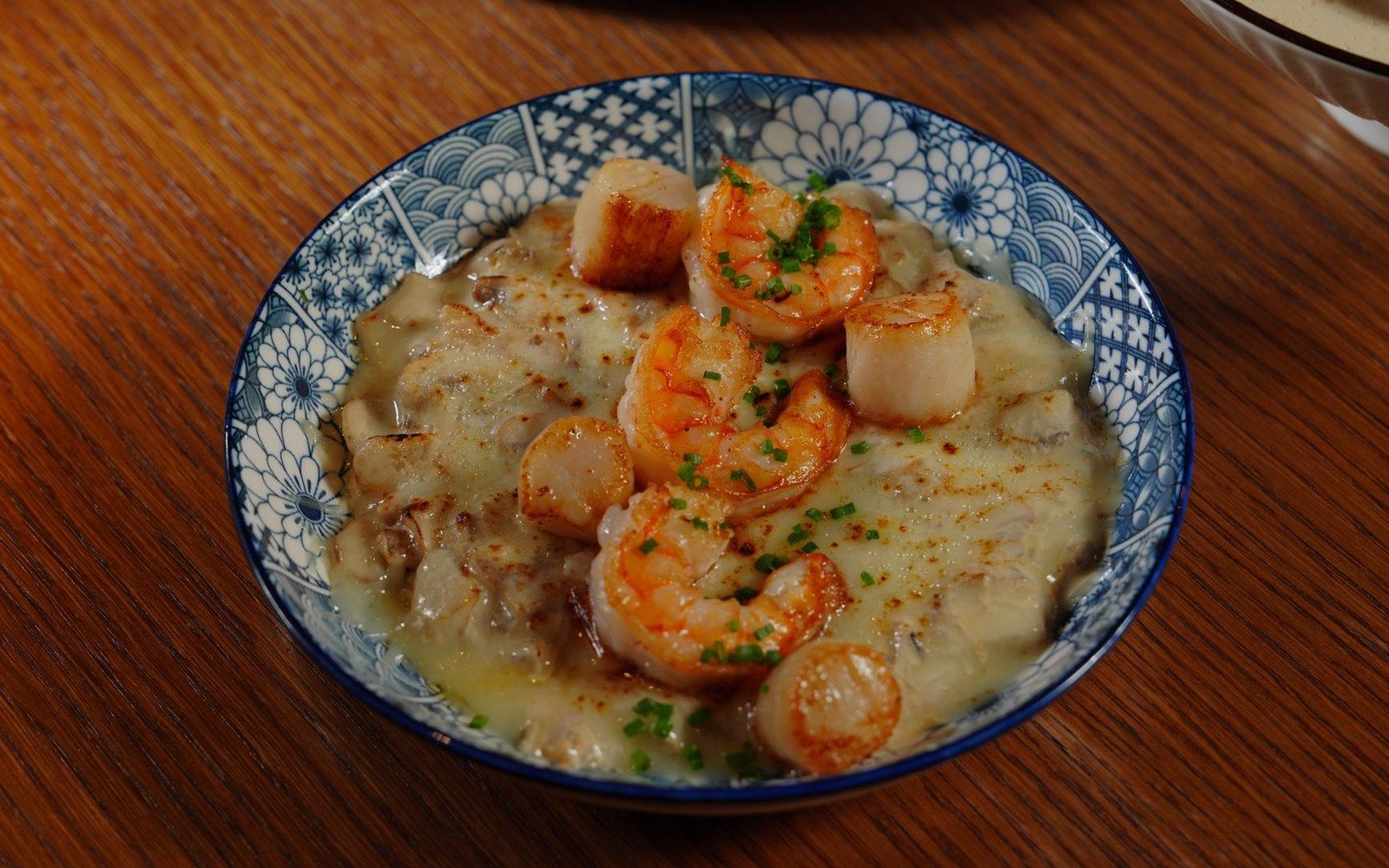
The restaurant drew a remarkably consistent cross-section of the town: students on their first visit from somewhere that had nothing like it, faculty who made it a weekly habit, workers from the surrounding neighborhoods, and visitors who had read about it before they arrived. Council published a cookbook in 1999, Mama Dip's Kitchen, which codified recipes that had existed until then largely in her hands and memory. It sold steadily for years, carried the restaurant's name beyond Chapel Hill, and gave the operation a permanence that outlasted any single dining trend.
What Fifty Years Looked Like
By the time Council was inducted into the James Beard Foundation's list of America's Classics in 2000 — a designation reserved for regional restaurants with timeless appeal and ties to their communities — Mama Dip's had already survived the cycles that claimed most independent restaurants. It had absorbed rent increases, changes in the neighborhood's character, and the arrival and departure of competitors. It had expanded its hours, hired family members, and continued cooking in the same register it had always used. The James Beard recognition was confirmation of something Chapel Hill had understood for decades.
Council herself died in May 2018 at eighty-nine. Her family continued the operation for three more years, carrying it through a period that was difficult for every restaurant and fatal for many. The pandemic year of 2020 forced a closure that became permanent; the restaurant announced it would not reopen in 2021. It had been in continuous or near-continuous operation for forty-five years.
What Airport Road Lost, and What Franklin Street Registered
The closure registered differently depending on where you stood in relation to the restaurant. For longtime Chapel Hill residents, it was a landmark gone from a street that had been losing them steadily — the kind of institutional anchor that does not get replaced, only mourned. For the block itself, it was another vacancy on a commercial corridor that had been reshaping itself for years under the pressure of rising rents and changing retail patterns. Airport Road is not Franklin Street, but it feeds the same community and responds to the same economics.
What made Mama Dip's irreplaceable was not the building or the location but the specificity of Council's knowledge, the kind of accumulated culinary intelligence that takes a lifetime to develop and cannot be recreated by a new operator with a similar concept. Bill Neal made a different kind of argument about Southern food at Crook's Corner, the intellectual and reconstructive case. Council made the unbroken case — this is what people in this region have eaten, cooked this way, for a long time, and here it still is. When Mama Dip's closed, that case closed with it.