The TableSection 2
Andrea Reusing and the Kitchen at Lantern
Lantern opened on West Franklin Street in Chapel Hill in 2002, and Andrea Reusing has run the kitchen there ever since.
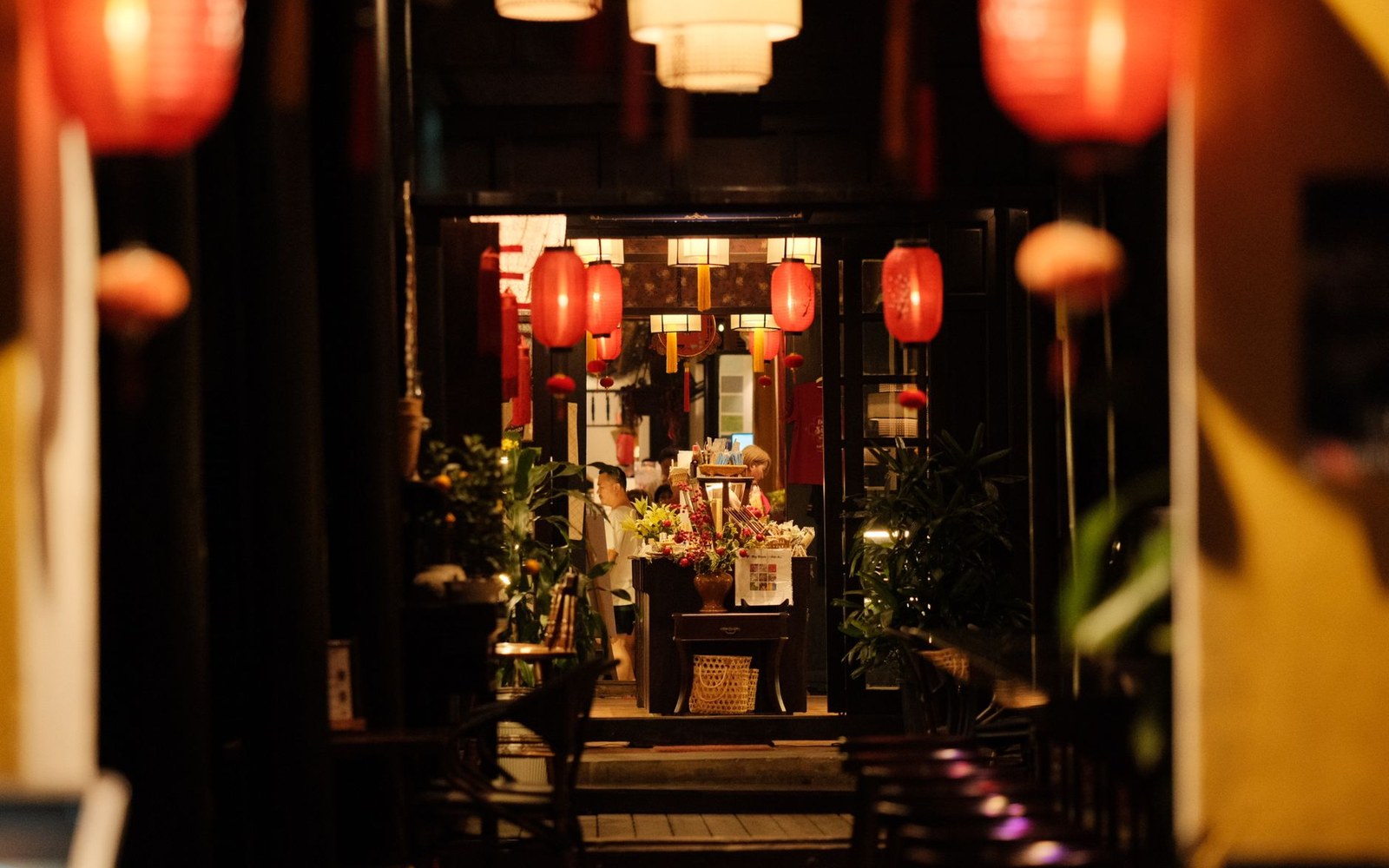
A Different Kind of Southern Table
The restaurant's premise was specific from the start: an Asian-inflected menu built on local ingredients, at a moment when that combination was not yet a genre. More than two decades later, Lantern remains the same operation — same chef, same building, same argument about what a Southern kitchen can hold.
Reusing's sourcing philosophy is not a selling point layered onto the cooking; it is the architecture of it. She has worked for years with farms in Orange and Chatham counties, buying directly and adjusting her menu to what is actually ready rather than what a seasonal template requires. Farms including Cane Creek Farm in Snow Camp and Braeburn Farm in Silk Hope have supplied her kitchen with pork, vegetables, and poultry across multiple growing seasons. The relationships are old enough that the purchasing decisions are mutual — what Reusing will buy shapes what some growers plant, and what they grow shapes what ends up on the table at Lantern.
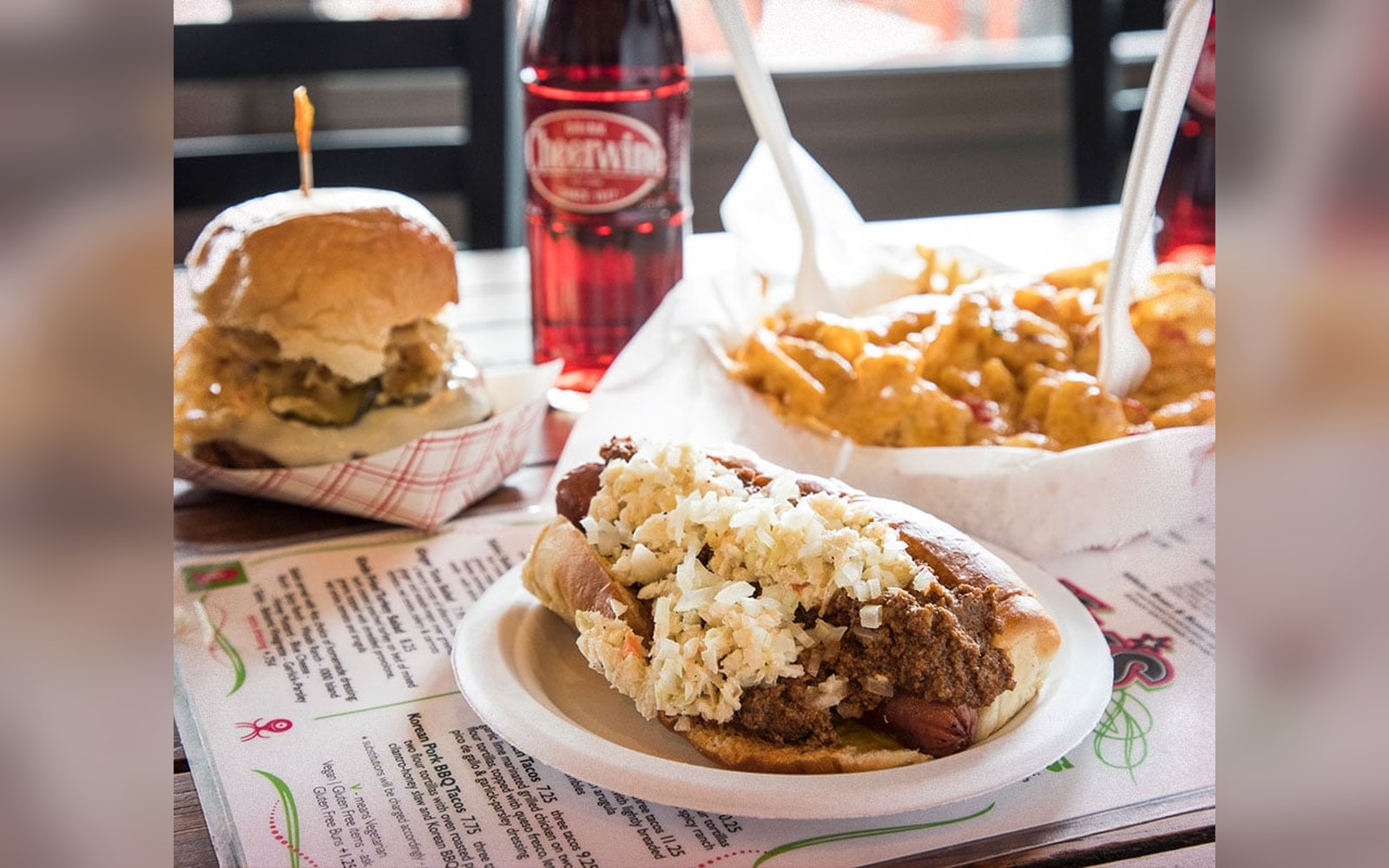
The menu is not a fusion document in the derogatory sense. Reusing draws from Chinese, Japanese, Korean, and Southeast Asian culinary traditions, but the technique is applied with specificity rather than eclecticism for its own sake. A dish of local pork belly might be braised with soy, ginger, and rice wine in a preparation that reads as Chinese in structure but is built largely from ingredients sourced within a drive of Chapel Hill. Duck from a North Carolina farm arrives at the table with accompaniments that would be recognizable in a Sichuan kitchen but are seasoned and proportioned differently. The frame is Asian; the material is resolutely local.
That combination placed Reusing inside a national conversation that was intensifying in the early 2000s, as chefs in the South began pushing back against the idea that Southern cooking was either a fixed archive of historical recipes or a set of poverty-food tropes to be sentimentalized. Bill Neal's work at Crook's Corner two decades earlier had already reframed what Chapel Hill's restaurant culture could look like; Reusing's argument extended that reframing in a different direction, toward Asia rather than toward France. Ashley Christensen's Raleigh restaurants were making a parallel case in the 2010s about what contemporary Southern food could be without apology. Reusing's case was quieter, and it was being made specifically through the sourcing ledger as much as through the plate.
In 2011, she published Cooking in the Moment, a cookbook organized by season and built around the farm-to-table sourcing practices she had developed at Lantern. The book made explicit what the restaurant had always implied: that eating according to what is ready requires a kind of attention that is neither nostalgic nor trendy, but practical. The James Beard Foundation named Reusing the Best Chef Southeast in 2011, the same year the book appeared — the two together constituted a moment in which Lantern's approach was recognized not just regionally but as a contribution to a national argument about American cooking.
Chapel Hill itself is part of what makes the restaurant legible. The Carrboro Farmers Market, a mile west of Lantern, has been one of the strongest direct-market farm venues in the state since its establishment, and the density of small farms in Orange and Chatham counties reflects decades of land-use decisions shaped partly by the university community's appetite for local food. Lantern did not create that ecosystem, but it has been a consistent institutional customer within it, and what the Carrboro Farmers Market actually is — a working market rather than a weekend amenity — is part of the infrastructure Reusing's kitchen depends on.

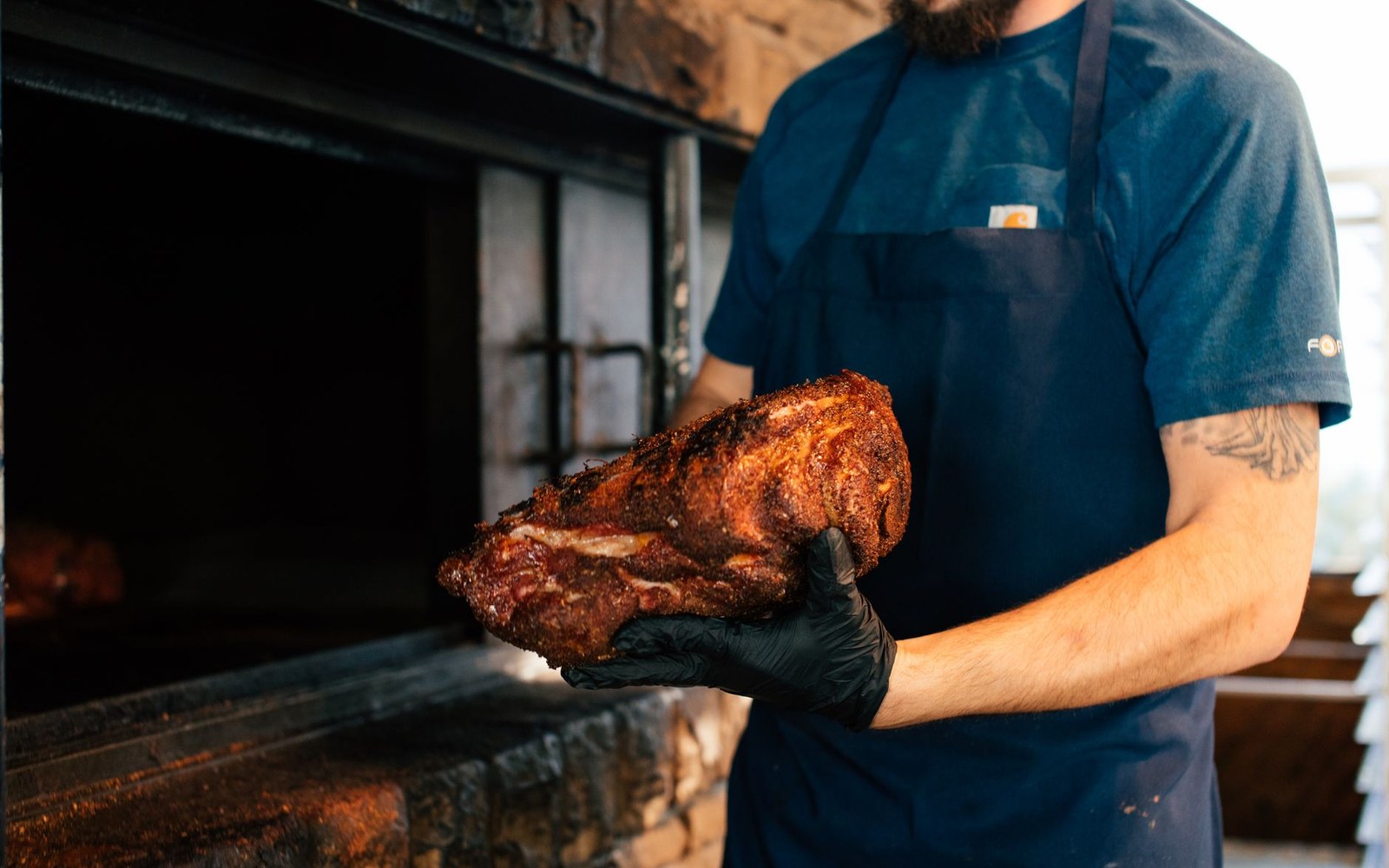
What Lantern represents in 2024 is unusual: a restaurant still operating under its founding chef, still sourcing from the same farms, still making the same argument it made at opening. In a stretch of Franklin Street where vacancy and replacement have become a documented pattern, that continuity is itself a kind of statement. The kitchen has not updated its premise because the premise has not been superseded. The pork belly comes from the county. The braising liquid comes from somewhere older.