The TableSection 2
Two Durham Rooms That Are Not the Same
Durham has produced a restaurant culture that resists easy summary, and two rooms on the same side of the city illustrate why.
The restaurants that explain why Durham eats differently
Nana's, on the western edge of downtown, and Mateo, a few blocks toward the American Tobacco Campus, share almost nothing beyond a ZIP code and a serious kitchen. Together they sketch the range of what Durham has built since the 1990s — and why that range differs from what Chapel Hill serves on Franklin Street or what Ashley Christensen's Raleigh runs on.
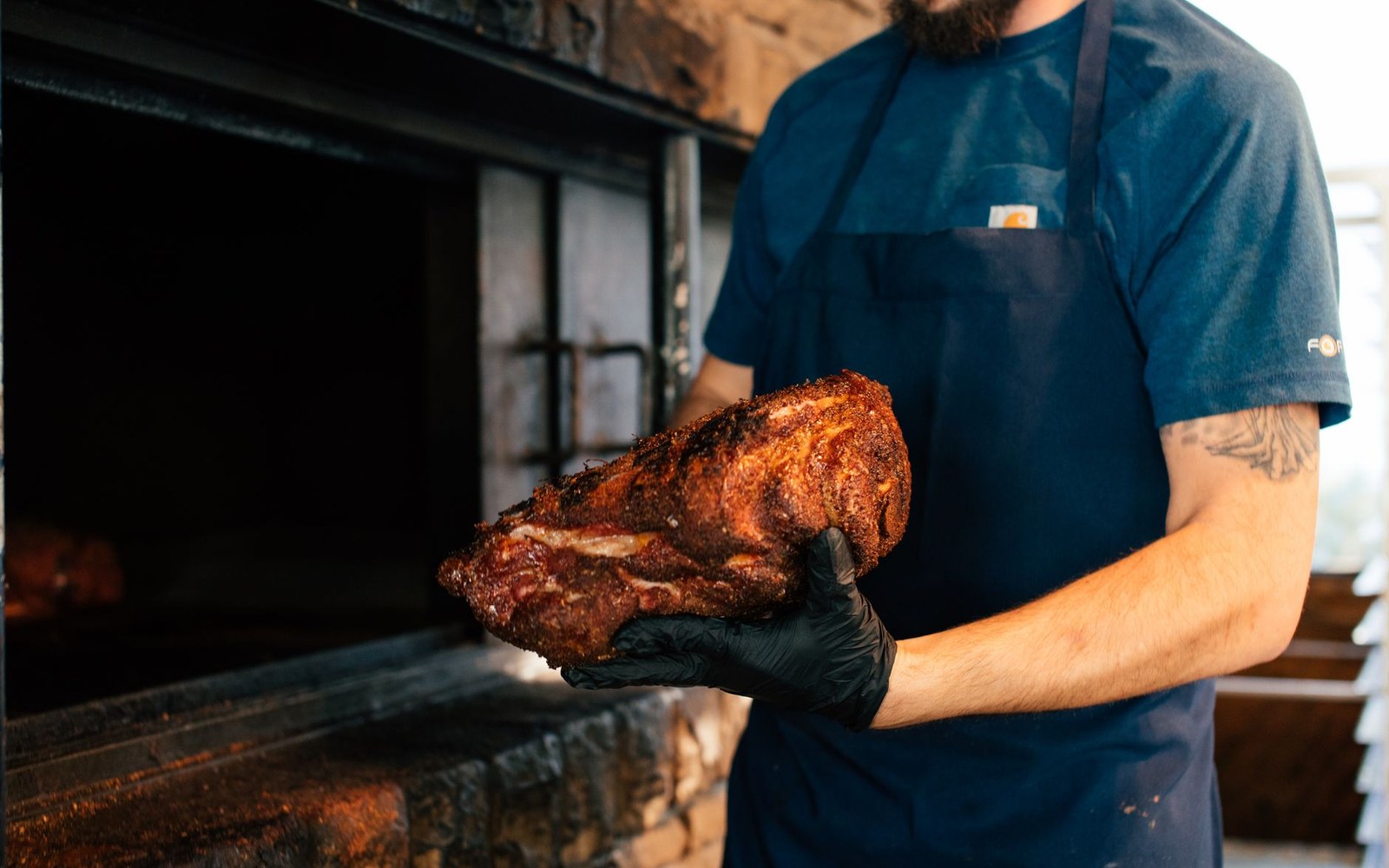
Nana's opened in 1992, when downtown Durham was still in early recovery from decades of disinvestment. Scott Howell built the restaurant around a kitchen with clear Mediterranean and Southern bearings — housemade pastas alongside slow-cooked pork, a wine list that expected you to know what you were doing, and a room that was plainly designed for adults settling in for the evening. The name is domestic and the feeling is not cold. The experience Nana's offers is durational: not just food but the accumulation of a meal, the kind that a city produces when it has decided to take itself seriously before anyone else has noticed.
Durham noticed itself in stages. The American Tobacco Campus, the former factory complex that became an anchor for the city's post-industrial reorientation, opened in phases in the mid-2000s and pulled foot traffic back into areas that had been largely written off. Restaurant ambition followed infrastructure. By the time Mateo opened in 2013, Durham had a dining public that had been eating well for two decades and wanted more range.
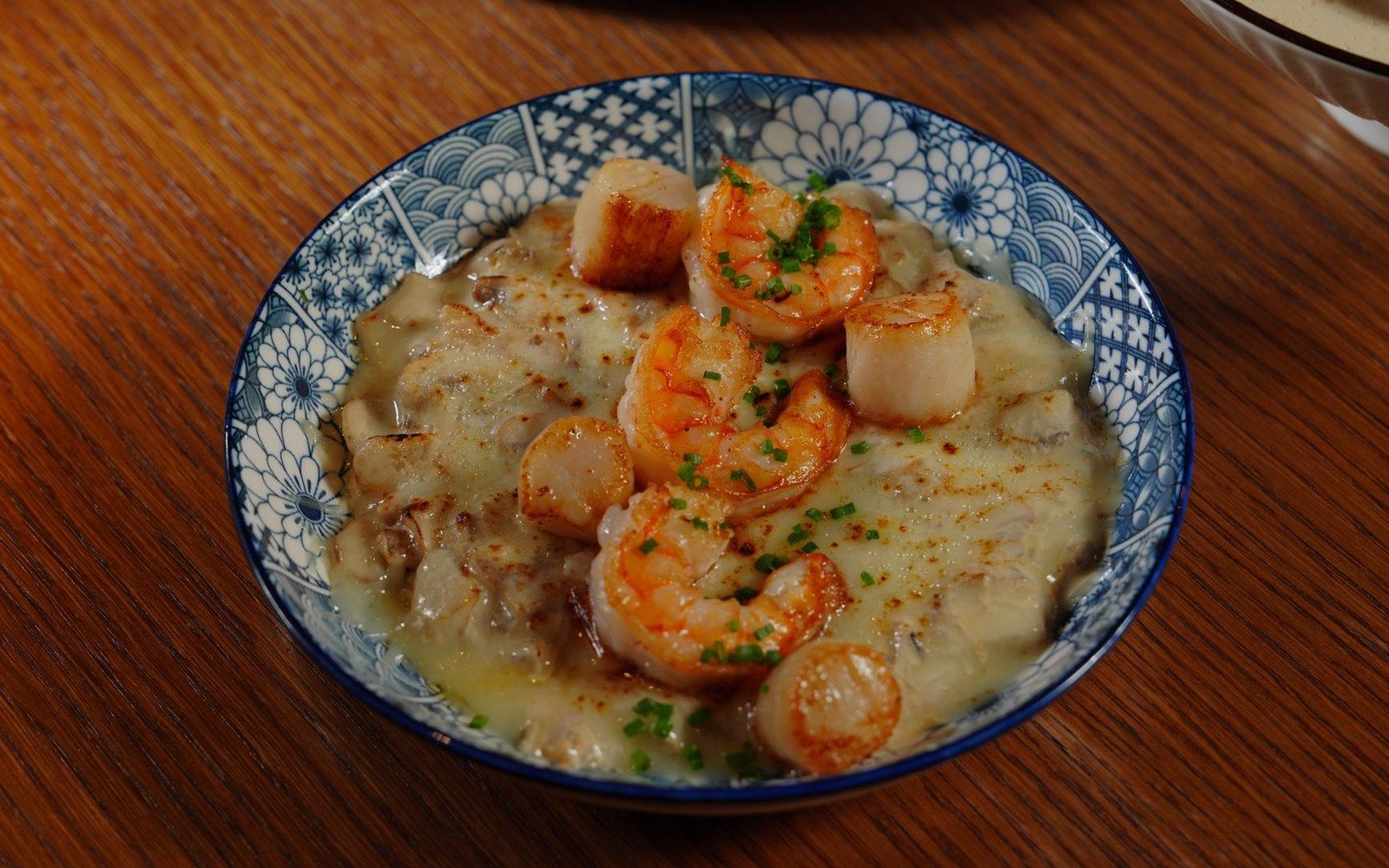
Mateo is a Spanish tapas bar — tapas being the tradition of small plates designed for grazing, sharing, and staying longer than you planned. Chef Matthew Kelly built Mateo with a kitchen oriented toward Iberian cuisine: jamón, salt cod, wood-fired preparations, and a sherry program that was unusual in North Carolina at the time. The room is dim and warm and loud in the way that signals genuine activity rather than engineered atmosphere. The format encourages a different relationship with time than Nana's does — circling back to the menu, ordering again, staying.
What separates both places from their counterparts elsewhere in the Triangle is partly a matter of geography and partly of civic character. Chapel Hill's dining culture is shaped by the University of North Carolina at Chapel Hill, which sets a rhythm of semesters and a dining public that rotates every four years. The restaurants that last there — Lantern, under Andrea Reusing, being the clearest example — tend to survive by outlasting the turnover rather than depending on it. Raleigh's growth over the same period has been faster and more developer-driven, producing a restaurant landscape that is newer in aggregate and more likely to reflect what the market will absorb in a given moment.
Durham's development happened more slowly, on a foundation that included a pre-existing arts and cultural infrastructure — the Durham Bulls Athletic Park, built in 1995, and a music and gallery scene that preceded the restaurant boom by years. The dining culture that grew from that base rewards specificity. Nana's has been in the same location, doing essentially what it set out to do, for more than thirty years. Mateo is the kind of place that requires a city confident enough to sustain a real sherry program and a kitchen making salt cod on a Tuesday.
Neither restaurant is trying to represent Durham. That is, in part, what makes them useful as readings of it — two rooms doing exactly what they intend, in a city that has been practicing that long enough to make it look easy.